Boomu Women´s Group Bandas

Location: Between Budongo Forest Reserve and Murchison Falls National Park

Boomu Women´s Group has around 40 members from the villages of Kihaguzi and Kigaragara. These subsistence farmers had little produce left over to sell, so in 1999 the women´s group was formed, with the aim of reducing poverty and malnutrition, and providing an income for the members to be able to pay their children´s school fees.

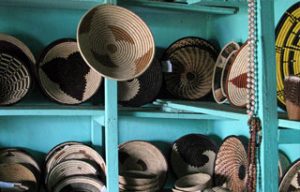
What began as a craft group has evolved into a wonderful community tourism project, with accommodation, a restaurant, unique guided tours and a well-tended garden.

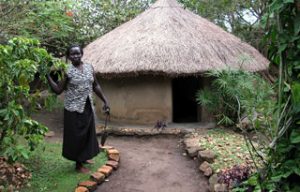
The grass-thatched bandas have been built in traditional Ugandan style for an authentic community experience. They are surrounded by beautiful tropical gardens filled with butterflies and weaver birds. Guests are welcome to relax in the gardens, visit the local community of Kigaragara and explore the craft shop. Ugandan food prepared by local women is served in the restaurant, and in the warm evenings you can relax by the open air bar under the stars.


Lodge Amenities

  • Restaurant and open air bar
  • Craft shop
  • Gardens

Room Description

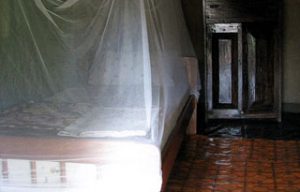
Boomu has seven twin bandas, one double banda and a building with two triple rooms. All have mosquito nets, electric lights (from a generator) and shared bathroom facilities.
Showers are cold water tanks fitted with a shower head, and are outdoors. Jerry cans of hot water can be provided on request.
Toilets are dry eco toilets.

Activities At The Lodge

  • Village walks
  • Cooking demonstrations
  • Basket weaving lessons
  • Bird watching in the gardens or nearby Budongo Forest
  • Chimp tracking at Budongo Forest Reserve

Responsible Travel

  • Boomu has four full-time employees and many part-time staff who benefit directly from tourism. All the money from the community tour and a percentage of the turnover is put into a community fund that finances school books, soap, pencils and porridge for local children attending a nursery created by Boomu.
  • Other projects that benefit from this fund are educational projects, local clinics, water access improvements, and agroforestry initiatives. Community members have also been trained in high-quality blanket weaving, which can be sold to local lodges and hotels.

Price:

  • Bed breakfast and dinner 55,000 Pp.
  • Camping per person per night 10,000 USH
  • dinner/ lunch 15,000 USH
  • Breakfast 10,000 USH
  • village Walk Basket Weaving Demo 15,000 USH pp each activity
  • Cookeing Tour 20000 USH Pp.

Contact

Tel: +256 772 448 950/ +256772657700
Email: [email protected]
Website: www.boomuwomensgroup.org

Supported by

Useful Phrases

  • Hi – Ki Kati
  • Good morning (literally, How was your night?) – Wasuze otya?
  • Good afternoon or
  • Good evening (literally, How was your day?) – Osiibye otya?
  • How are you? – Oli Otya
  • I am ok – Gyendi
  • My name is… – Nze…
  • Goodbye (to one person) – Weeraba
  • Goodbye (to more than one person) – Mweraba
  • Please – Mwattu
  • Thank you – Weebale
  • Sir – Ssebo
  • Madam - Nnyabo
  • Excuse me (to get someone’s attention) – Owange
  • Ok – Kale
  • No thanks – Nedda
  • I don’t know – Simanyi
  • How much money is it? – Ssente mmekka?
  • Do you speak English? – Omanyi luzungu?
  • I understand – Ntegeera
  • I do not understand – Sitegeera
  • I want – Njagala

Pronunciation:
Luganda is phonetically similar to Spanish – so “i” is pronounced like the “ee” in “see”, and the “e” at the end of a word is pronounced similar to the “ay” in “say” or the “e” in “wet”, and not left silent as in English.
Thus, “weebale” (thank you) is pronounced “way-ba-lay”.

Using Luganda
Ugandans are generally very friendly and extremely polite – saying “weebale Ssebo” will be much appreciated by your waiter, guide or driver.

What’s The Weather Like?

  • Uganda enjoys a tropical climate, though the heat is tempered by the altitude, as most of the country is above 1000m.
  • Rainy seasons are from March to May, and September to November
  • Dry seasons are from December to February and mid June to mid August
  • Average temperatures range from about 16°C (61°F) in the southwestern highlands to 25°C (77°F) in the northwest; but in the northeast, temperatures exceed 30°C (86F).

What Should I Bring?
General

  • Daypack.
  • High SPF sunscreen (Uganda is on the equator!).
  • Flashlight.
  • Insect repellent.
  • Spare or rechargeable batteries (these are difficult to find once you are in the Parks).
  • Waterproof bags to protect equipment.
  • Electric plug adaptors for 240 volts AC 50 Hz. UK-style square-pin plugs are used.
  • Some people find contact lenses uncomfortable in Uganda because of the dust – you may find it more comfortable to wear glasses while on the road.
  • Antiseptic handwash.
  • An International Driving License if you are thinking of hiring a vehicle.

Clothing

  • Good walking boots/shoes.
  • Sandals or other light shoes.
  • Waterproof jacket or rain poncho.
  • Lighter clothing for Kampala and the savannah, with layers for the cooler evenings.
  • Warm clothing for mountainous regions, including thermal layers and a fleece.
  • Sun hat/cap.
  • Uganda is a conservative country, and visitors should dress respectfully. Avoid short skirts and short shorts.
  • In mosques, women will be expected to cover their shoulders and sometimes their hair, and should wear loose clothing around their legs.

Should I Bring Any Specialist Equipment?
This depends on your interests – for photography, birding and wildlife enthusiasts we recommend the following:

  • Binoculars: The better ones start at about $250: you get what you pay for! Waterproof binoculars are great in Uganda as they are also dustproof. For most travelers stick with 8 or 10 magnification and 32 objective. These will be lighter than the 42 objectives which are heavy to carry all day.
  • Cameras: Choose something which you know you can handle – a heavy camera with many settings will be off-putting for some people to use. For good wildlife shots, get at least 8x optical zoom. Six to eight megapixels is fine unless you want poster-size photos. Bring a lens cloth to remove dust, several changes of batteries (even if you use rechargeables – not all sites have power points) and take several 1GB memory cards instead of one large one, to avoid losing all your photos if something goes wrong.

Do I Need A Visa To Enter Uganda?

  • For most nationalities, including the USA, UK, Canada, Australia and Ireland, 90-day tourist visas can be purchased on arrival at Entebbe airport for $50, or at the Ugandan Embassy in your home country prior to departure.
  • Your passport must be valid for at least six months following the date of entry.
  • As visa regulations change frequently, please check with the Ugandan Embassy in your country before departure.

What is the Currency?

  • The Ugandan Shilling. This cannot be purchased outside the country.

How do I Exchange Cash?

  • US dollars, UK pounds and Euros are accepted by UWA for gorilla/chimp tracking permits and park entry fees. Many larger hotels will also accept US dollars and Euros – though you should check in advance.
  • Note: All US dollars must be printed post-2003, and should not be damaged in any way. Higher exchange rates are given on larger value notes
  • Banks and Forex bureaus will exchange cash, alternatively you can use ATM machines – common in the major towns. They should accept Visa Debit and Credit cards.

Can I use Credit or Debit Cards?

  • Visa is more likely to be accepted in city hotels and stores, followed by Mastercard. Other credit cards are unlikely to work.
  • Alert your bank before using your card abroad to avoid it being blocked.

Can I Bargain When Shopping?

  • Prices are fixed in shops, but food and craft markets will be more flexible. You stand a better chance of getting a reduced price if you purchase several items from the same seller.
  • Prices are generally very low – so do consider if what you are asking for is fair.
  • Agree on charges for minibuses (matatus) or motorbike taxis (boda-bodas) with your driver beforehand.

What Vaccinations Do I Need?

  • A yellow fever vaccine is essential – bring your certificate with you
  • Hepatitis A and B, meningitis, polio, tetanus and typhoid vaccinations are also recommended
  • A rabies vaccination is recommended for anyone who expects to be in close contact with animals, or in a very remote area
  • Be aware that some of these require a course of injections, and others take several days to take effect, so you should visit your doctor or travel clinic as soon as possible before you travel.

Should I Bring Any Other Medications?

  • Anti-malarial tablets are recommended throughout Uganda - visit your local travel clinic to determine which type is best for you. Note: Chloroquine does NOT protect against malaria in Uganda.
  • Bring all prescription medications with you – they may not be readily available in Uganda.
  • Be sure to purchase travel insurance before you begin your trip, including medical evacuation if possible.

What Other Health Risks Are There?

  • Even if you are taking anti-malarials, you should still wear insect repellent, long-sleeved shirts, long trousers and closed shoes. This will also help protect you from other diseases carried by mosquitoes, and other insects such as tsetse flies.
  • All accommodation in high-risk areas will have mosquito nets – be sure to use them.
  • Avoid swimming in Uganda’s lakes – all except Lake Bunyonyi carry a risk of bilharzia
  • Tap water is not suitable for drinking, though bottled water is readily available throughout the country.

How Safe Is Uganda For Tourists?

  • Uganda is generally considered to be a safe, stable country with low crime rates.
  • The Sudan border regions and the Karamoja in the north should be avoided.
  • Use common sense in the cities – do not carry large amounts of cash or valuables, and keep money and credit cards in an inside pocket.
  • For the most up-to-date information on Uganda, visit the FCO website.

Do I Need A Plug Adaptor?

  • Uganda uses a 240 volts AC 50 Hz square-pin plug. the same as the UK and Ireland.

Is There Electricity In The Whole Country?

  • Few areas outside the towns and cities have electricity.
  • Lodges in rural areas will usually have solar panels or generators. This may mean that there is only power at certain times of day, or that plug sockets are limited.
  • Throughout the country, there are regular “load shedding” blackouts to keep up with the demand for electricity. These may occur several times a day, and vary in duration. These will not affect the lodges with solar panels or generators.

What Language Is Spoken In Uganda?

  • English is widely spoken, especially in Kampala and by those working in tourism.
  • Of over 50 local languages, Luganda is most common. Swahili is also spoken by many people as a second language.

Can I Make Phone Calls In Uganda?

  • If your cell phone is compatible, you may be able to purchase an inexpensive SIM card, widely available throughout the country.
  • The international dialing code for Uganda is +256

Where Can I Use The Internet?

  • Internet cafes are common in Kampala and all major towns, though the connection is likely to be very slow.
    Some hotels will also offer wifi.

Contact us for more information about Pearls of Uganda

Email: [email protected]

Volunteer vacations are a great way to experience Uganda and give back to communities and projects

Soft Power Education

Before heading off on your trip to Uganda consider saving a little space in your suitcase or backpack to bring some school supplies to Uganda’s needy children.

Pack for a Purpose Details coming soon!

Contact us for more information about Pearls of Uganda

Email: [email protected]
Getting Around Uganda

Travelling around Uganda has never been easier – flexibility exists in use of private or public transport, with the improving transport network and extended communication facilities to upcountry regions.

Travelling around Uganda is a true adventure. There are several ways to get around in Uganda, and the option you choose will depend upon your time constraints and your budget. Travelling by road is the most accessible and probably the cheapest way to travel though domestic flights are available. Public transport connects all major locations, and ventures far off the beaten track.

Tour Operators and Public Transportation

Buses, taxis, VIP vans and several touring trucks operated by individual tour operators are all available to help travelers reach their destinations. Motorcycles or boda bodas, as they are locally known, can always be used for short distances. Safety can be a concern so its not recommended to travel without a helmet.

Consider finding a tour operator to assist with your travel plans.

Self Drive
Self-drive options are best left for return visitors to the country and more seasoned travelers who are accustomed to driving in a variety of road conditions. You may find you are more comfortable leaving the driving up to a local driver guide who will also give you an interpretive commentary while you enjoy the scenic view.

Domestic Flights
Contact one of our leading Pearls of Uganda tour operators to get assistance with your transportation and travel package.


Contact us for more information about Pearls of Uganda
Email: [email protected]
Getting to Uganda

Uganda has become a very accessible destination which you can reach by air, water (across Lake Victoria) or land.

Airlines
There are several airlines that can get you into Uganda, including Air Tanzania, Air Uganda, British Airways, Brussels Air, Egypt Air, Emirates, Ethiopian Airways, Gulf Air, Kenya Airways, KLM, Precision Air, Qatar Airways, South African Airways, and Rwandair.

Flights for travelers primarily arrive into the modern Entebbe International Airport (EBB) located one hour from the capital of Kampala.

Need help finding flights?

Contact one of our leading Pearls of Uganda tour operators to get assistance with your flights and travel packages.

The Uganda Tourism Board has a full airline directory so you can search a preferred carrier to find a flight to Uganda.

Contact us for more information about Pearls of Uganda
Email: [email protected]
Before You Leave

  • If booking your tours and accommodation beforehand, try to choose a responsible tour operator and lodge. Those listed on this website all have close community links, and many also take measures to avoid harming the environment, such as installing solar power/water systems, composting toilets and recycling.
  • Think about what to take. Stuff Your Rucksack and Pack for a Purpose provide details of hundreds of projects around the world that need donations of anything from books and stationery to clothing and car parts. A small gift will make a huge difference.
  • A way of reducing your own environmental impact is to use eco-friendly products such as sun screen, soap and shampoos – particularly important in areas where it is hard to dispose of waste water. These are not readily available in Uganda, so think about bringing them with you.

Respect the Communities

  • Respect the local people – don’t take photos of them without asking, dress respectfully and learn how to say please and thank you in the local language (you can learn these and other useful phrases here)– politeness is always appreciated.
  • Tip guides, porters, drivers and waiting staff as you would back home.
  • Haggling over a price is fine – as long as you are prepared to pay a fair amount. Think about the time and craftsmanship that has gone into what you want to buy, and remember the seller is trying to make a living.
  • Use local guides where possible, eat at local restaurants, shop at community craft shops and consider spending part of your trip in community-run accommodation – it will be an exciting, authentic experience for you, and worthwhile for the local village.
  • Ask where the crafts came from before you buy - in some cases they are imported, and will not support local craftspeople.
  • Do not give sweets or money to children as this encourages begging. If you want to give gifts (such as pens or pencils) during a community tour, give them to your guide to distribute afterwards.

Respect the Environment

  • Obey Park rules at all times – do not approach wildlife, drop litter or stray from designated roads/hiking trails. Keep noise to a minimum and follow your guide’s instructions.
  • In many places, fresh water is in short supply, so keep showers short, avoid leaving taps running and reuse towels and linen. In places with solar panels, be aware of your electricity use – turn of lights and all electrical appliances when not is use.
  • Never buy crafts or products made from protected or endangered animals, such as ivory, fur or feathers.
  • Do not buy meat meats such as hippo, bushbuck and buffalo. These are obtained only through illegal poaching, which poses one of the greatest threats to Uganda´s wildlife today.
  • Recycling facilities are limited in Uganda, but many lodges have bins to collect plastic bottles, and all glass bottles should be returned to the place you bought them to be reused.
  • Take all batteries home with you – they cannot be safely disposed of in Uganda. If possible, use rechargeable batteries to reduce toxic waste.

Give Something Back

  • Many communities offer short or long term volunteer placements – in a school, nursery, clinic, reforestation project, or even helping the community work on their tourism business. If you have some time to spare, why not inquire about placements? You are sure to get as much out of it as the people you are there to help!
  • If you would prefer to make a donation, see Travelers Give Back for details.
Contact us for more information about Pearls of Uganda

Email: [email protected]
Travel Resources

Useful Website Links

The Eye Magazine
Uganda Tourism Board
Uganda Wildlife Authority
Nature Uganda

Recommended Reading
Uganda

Bradt Travel Guide Uganda
Culture and Customs of Uganda
Map of Uganda by Nelles
Travel Resources from Fountain Publishers
Uganda’s Great Rift Valley By Andy Roberts (available from selected outlets in Uganda)
Birding and Wildlife
Birds of East Africa (Collins Field Guides)
The Birds of East Africa: Kenya, Tanzania, Uganda, Rwanda, Burundi (Princeton Field Guides) [Hardcover - it is a bit hefty but the best bird books usually are because of the number of illustrations they have - which is what most people want!]
The Kingdon Pocket Guide to African Mammals (Princeton Pocket Guides)
Wildlife of East Africa (Princeton Illustrated Checklists)
Children’s Books
Beatrice’s Goat

• African Book Center Children’s Series


Contact us for more information about Pearls of Uganda
Email: [email protected]

Hands On Experiences

On your travels through Uganda, you are sure to come across beautiful handicrafts, thrilling cultural performances, African rhythms and delicious traditional food. If you’ve ever wondered how these are produced, these new workshops will give you the chance to find out.

Craft workshops show just how complex it is to make intricate baskets and bowls that you will find in souvenir shops and Ugandan homes, but with a little help from your expert teachers, you will soon pick up the basics, and maybe even be able to contribute a small section to the community basket!

Paper bead workshops are a great incentive to recycle colorful magazines and posters – you can personalize bracelets and necklaces to match your own unique tastes.

A cooking workshop will give you a real taste of Uganda – don’t forget that even the flour for the bread is made from scratch, and you will be cooking over an open fire. But food always tastes great after you’ve put so much effort into making it!

Other exciting new skills include African drumming on handmade hide drums, and even traditional dancing – if you have enough energy left after all your other adventures.

This is a great way to take a little bit of Ugandan holiday back home with you!

Community Accommodation

For an authentic taste of Ugandan life, why not stay in community-run accommodation?

Cosy grass-roofed bandas built with local, natural materials are atmospheric places to spend the night, surrounded by the exotic sounds of the Ugandan savannah or forest. Some are built in the arrangement of a traditional family homestead, others are set in beautiful tropical gardens, and many offer spectacular views of the surrounding landscapes – from the snow-capped peaks of the Rwenzoris, to the densely forested slopes of Bwindi Impenetrable National Park.

Many communities offer camping for those with or without their own tents, making this also one of the most affordable accommodation options for those traveling on a budget.

Guests will enjoy home cooked food, prepared on open fires, interaction with the local community, and the knowledge that their stay will support local community projects such as schools, clinics or agriculture.

Do something different during your trip – and know that you are making a difference to people’s life.

Contact us for more information about Pearls of Uganda

Email: [email protected]